Judith Perez
1. Congratulations on winning in the Global Photography Awards! Can you share a little about yourself, what inspired you to pursue photography, and how has your journey evolved since your first shot?
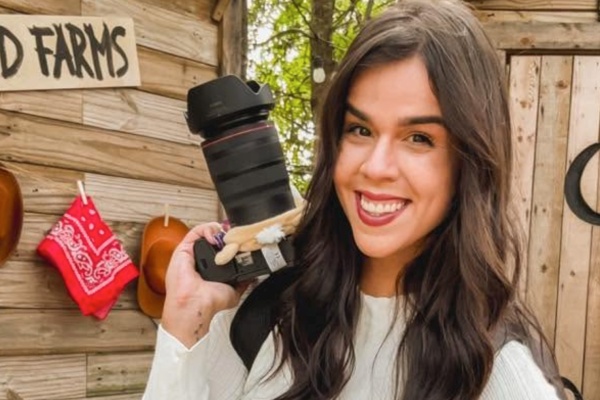
Thank you so much! Winning a Global Photography Award is such an incredible honor, especially when I think about how my journey began. I actually started photography after turning 30. I wanted a self-portrait of myself but couldn’t afford a photographer at the time, so I decided to figure it out on my own. I started with my phone, a backdrop, a few props, and a lot of creativity. Eventually, I purchased my first camera, a Canon 2000D, and completely fell in love with the process. I also spent about a year working at JCPenney Portraits, where I learned so much about posing, lighting, and most importantly, how to make people feel comfortable in front of the camera. After that, I decided to take the leap and pursue photography full-time. Since my first shot, my work has evolved tremendously. I’ve learned that photography isn’t just about taking a beautiful picture—it’s about creating an experience, capturing emotion, and giving people something they can look back on and truly feel. My style continues to evolve with me, and I love experimenting with different lighting, moods, and storytelling while keeping the experience fun and natural for my clients. What started as me simply wanting a photo of myself has grown into something I’m incredibly passionate about. And being recognized through the Global Photography Awards feels like such a beautiful reminder of how far I’ve come—and that I’m only getting started.
2. Can you share the story or inspiration behind your award-winning piece? How does winning this award make you feel about your journey in photography?
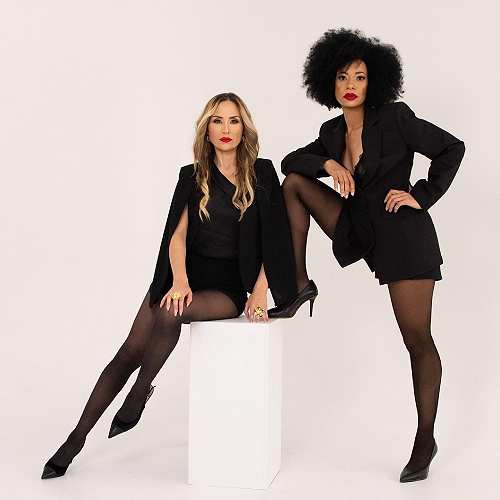
The inspiration behind the piece came from my love for creating images that feel like more than just a photograph. I wanted the image to have emotion, personality, and a sense of storytelling—to create something that would make someone stop, look, and feel something. For me, photography has always been about following my creativity and trusting my eye. I don’t always start with a perfect plan; sometimes an idea comes together through the lighting, the subject, the mood, and simply allowing myself to create. Winning this award honestly feels surreal.
3. How do you decide which photo to submit for a competition?
When I’m deciding which photo to submit, I don’t necessarily choose the image that is the most technically perfect. I look for the image that makes me feel something. I usually go back through my work and ask myself which photograph tells the strongest story, has the most emotion, and represents my creative eye. I pay attention to the lighting, composition, expression, colors, and all the little details that make the image feel unique. I also try to step away from the image for a little while and come back to it with fresh eyes. Sometimes the photo I initially overlook ends up being the one that stands out the most.
4. What first made you pick up a camera?
Honestly, it started with wanting a picture of myself. After turning 30, I wanted a self-portrait but couldn’t afford to hire a photographer. Instead of letting that stop me, I decided to figure it out myself. I grabbed my phone, found a backdrop, gathered a few props, and started experimenting. What started as simply wanting a nice photo quickly became something much bigger. I became fascinated by how lighting, posing, angles, and editing could completely transform an image. Eventually, I bought my first camera, a Canon 2000D, and that was the moment I realized photography wasn’t just a hobby for me—it was something I genuinely wanted to pursue. Looking back, I love that my journey started that way. I didn’t pick up a camera because I had everything figured out. I picked it up because I was curious, creative, and willing to teach myself. That curiosity is still a huge part of why I love photography today.
5. What’s your favorite type of photography, and why do you love it?
I honestly don’t think I have just one favorite type of photography, and that’s one of the things I love most about what I do. I enjoy photographing people and capturing the moments that feel genuine—whether that’s a portrait session, a wedding, a family, a celebration, or even a personal branding shoot. If I had to choose what I love most, it would be portraits and lifestyle photography because I get to connect with people and bring their personality into the images.
6. What’s your go-to camera setup, and why does it work best for your projects? What’s your favorite feature?
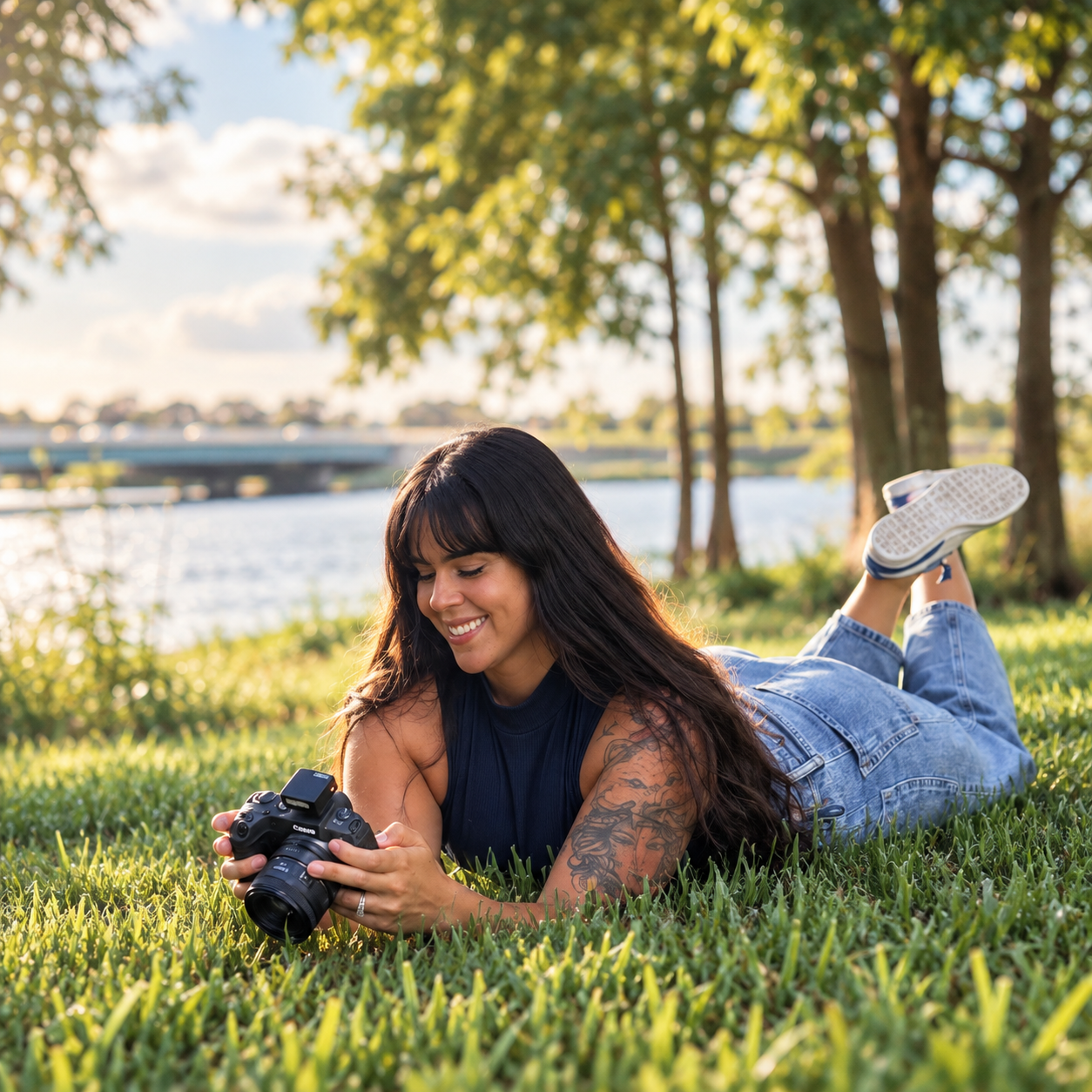
My go-to camera setup is my Canon R6 Mark II. It has become such an important part of my workflow because it gives me the flexibility to move between different types of photography without feeling limited. I photograph everything from portraits and branding sessions to events and weddings, so I need a camera that can keep up with changing lighting, movement, and unpredictable moments. The R6 Mark II gives me that versatility while still allowing me to create the look and feel I want. My favorite feature has to be the autofocus. It’s incredibly reliable when I’m photographing people, especially during candid moments when things are happening quickly. I can focus more on the moment, the composition, and connecting with my client instead of constantly worrying about whether I’m going to get the shot. For me, the best camera is the one that allows me to focus on being creative—and the R6 Mark II does exactly that.
7. If someone looked at your work, what’s the one thing you’d want them to feel?
I’d want them to feel something. Whether it’s joy, confidence, nostalgia, excitement, or even a little bit of “wow, I want photos like that,” I want my work to create an emotional connection. More than anything, I want people to feel that my images are alive—that there’s a real person, real emotion, and a real story behind them. I want my photographs to feel natural and authentic, not overly posed or forced. And when my clients look at their own images, I want them to feel good about themselves. I want them to see the beauty, personality, and confidence that I saw when I was behind the camera. If someone can look at my work and feel something—even for just a moment—then I’ve done what I set out to do.
8. What was the most challenging part of capturing your winning shot?
The most challenging part was probably getting everything to come together the way I envisioned it while still allowing the image to feel natural. There’s always that balance between having a creative vision and knowing when to step back and let the moment happen. I paid close attention to the lighting, composition, expression, and small details because I knew they would make a difference in the final image. But I think the biggest challenge was trusting myself. As photographers, we can second-guess our work so easily—wondering if the image is strong enough or if someone else will see what we see in it. I had to remind myself to trust my eye and my creative instincts. Looking back, I think that was one of the biggest lessons from the experience. Sometimes you have to stop overthinking and trust the artist you’re becoming.
9. Is there a specific place or subject that inspires you the most?
I think the people I photograph inspire me the most. I love being able to meet someone, learn a little about who they are, and then translate that personality into an image. I’m also really inspired by Florida itself—the warm light, palm trees, open spaces, beaches, and all the little details that give an image that natural Florida feeling. I love how the same location can look completely different depending on the time of day, the light, and the person in front of my camera. But ultimately, inspiration can come from anywhere. Sometimes it’s a location, sometimes it’s a person, an outfit, the light, or even a random idea that pops into my head. I try not to box myself into one specific style because I want my creativity to keep evolving.
10. Who or what has been your biggest influence in photography?
I think the people I photograph inspire me the most. I love being able to meet someone, learn a little about who they are, and then translate that personality into an image. I’m also really inspired by Florida itself—the warm light, palm trees, open spaces, beaches, and all the little details that give an image that natural Florida feeling. I love how the same location can look completely different depending on the time of day, the light, and the person in front of my camera. But ultimately, inspiration can come from anywhere. Sometimes it’s a location, sometimes it’s a person, an outfit, the light, or even a random idea that pops into my head. I try not to box myself into one specific style because I want my creativity to keep evolving.
11. What message would you share to inspire photographers to participate in photography awards, and what advice would you give to help them excel in the competition?
My biggest message would be: don’t be afraid to put your work out there. I know how easy it is to look at other photographers and think, “My work isn’t ready yet,” or to question whether your image is good enough to compete. I’ve definitely had those moments myself. But entering awards is an opportunity to step outside of your comfort zone, challenge yourself creatively, and see your work from a different perspective. My advice is to choose an image that genuinely represents you. Don’t try to create something just because you think it’s what the judges want to see. Pay attention to the story, emotion, composition, lighting, and the small details, but most importantly, trust your creative eye. And don’t be discouraged if you don’t win the first time. Every submission is part of the journey. Keep creating, keep learning, and keep challenging yourself. Sometimes the photograph you almost didn’t submit can be the one that reminds you just how far you’ve come.
12. What’s one piece of advice for someone just starting in photography?
If I could give someone just starting in photography one piece of advice, it would be: "start before you feel ready." You don’t need the most expensive camera, the perfect portfolio, or everything figured out before you begin. I certainly didn’t. I started with my phone because I simply wanted to take better pictures of myself. Give yourself permission to experiment, make mistakes, and learn as you go. Shoot as much as you can, study light, learn your camera, and most importantly, develop your own eye instead of constantly comparing yourself to other photographers.
13. What role do editing and post-processing play in your creative workflow?
Editing and post-processing play a big role in my creative workflow. For me, it’s not about completely changing an image—it’s about enhancing what was already captured in camera and bringing my original vision to life. I pay a lot of attention to color, lighting, skin tones, contrast, and the overall mood of an image. I want my editing to complement the moment rather than distract from it. Depending on the session, I might go for something warm and timeless, clean and airy, cinematic, or bold and vibrant. I also use editing as another form of storytelling. Sometimes a small adjustment in color or light can completely change how an image feels. At the same time, I think knowing when to stop is just as important. I want my clients to still look like themselves. My goal is to create images that feel polished and intentional while keeping it genuine.
14. How do you see technology, like AI, influencing the future of photography and your own approach?
I think technology and AI are going to have a huge influence on the future of photography, and I see that as both exciting and challenging. For me, AI is a tool—not a replacement for the photographer. Photography is still about having a creative eye, understanding light, connecting with people, and knowing how to capture a moment in a way that feels meaningful. Those are the parts of photography that technology can assist with, but not completely replace. I’m definitely open to using new technology to make my workflow more efficient, whether that’s helping with editing, organizing images, retouching, or experimenting creatively. The more time I can save on repetitive tasks, the more time I can spend creating and connecting with my clients. At the same time, I want to be intentional about how I use it. I want my images to remain authentic and still feel like "my" work. I think the photographers who continue to learn, adapt, and use technology while maintaining their own creative voice will have a lot of exciting opportunities ahead. For me, technology should enhance the artist—not replace the artist.
15. If you could photograph anything or anyone in the world, what would it be?
If I could photograph anything or anyone in the world, I think I’d choose something that combines incredible people, a beautiful location, and a meaningful story. One of my dream experiences would be photographing a destination wedding somewhere like Italy, especially along the Amalfi Coast or Lake Como. I love the idea of documenting not just the beautiful setting, but all the little moments—the getting ready, the nervous excitement, the family interactions, the celebration, and everything in between. I’d want the photographs to feel cinematic but still real, almost like you could step back into that moment years later and feel exactly what you felt that day. And honestly, I’d love to photograph people who have an incredible story behind them. For me, the person and the emotion will always be more important than the location. Give me a beautiful story, great light, and a little freedom to create, and I’m happy.